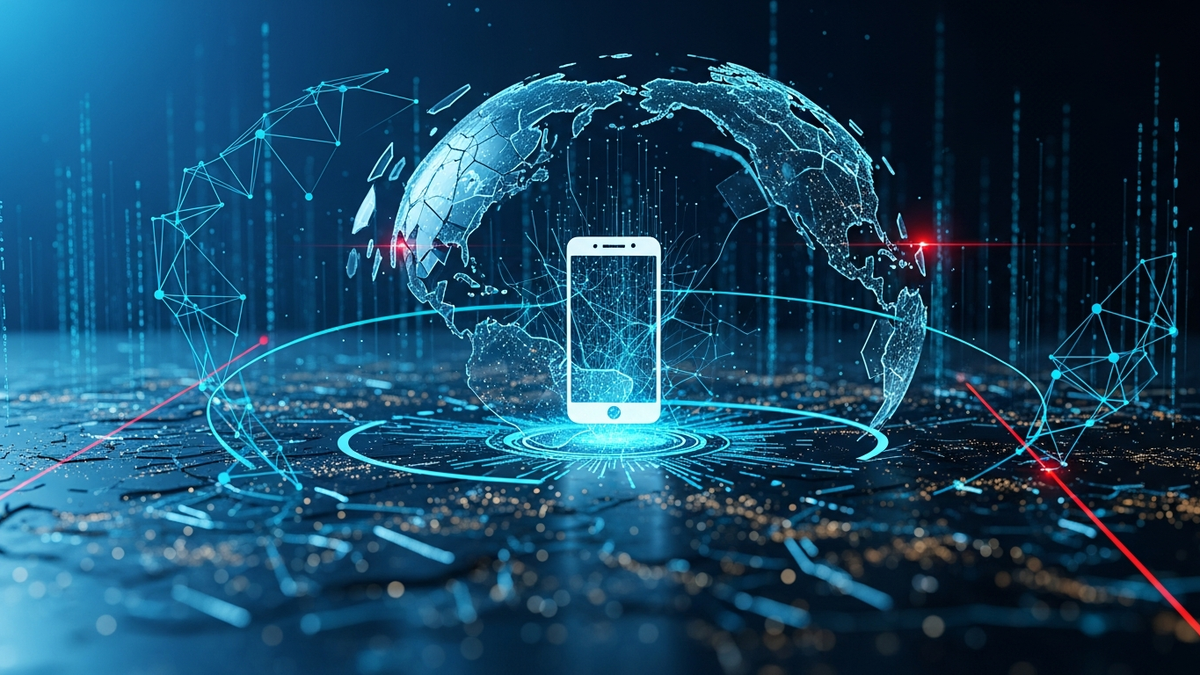
How Nation-State Cyber Attacks Target Smartphones During Global Conflicts
In the modern era of digital warfare, smartphones have become prime targets for nation-state actors seeking strategic advantages during global conflicts. These pocket-sized computers contain vast...
Introduction
In the modern era of digital warfare, smartphones have become prime targets for nation-state actors seeking strategic advantages during global conflicts. These pocket-sized computers contain vast amounts of sensitive information—from personal communications and location data to access credentials for critical systems. For diplomats, military personnel, journalists, activists, and ordinary citizens caught in conflict zones, smartphones represent both essential lifelines and potentially catastrophic vulnerabilities.
Unlike traditional cybercriminal activity motivated by financial gain, nation-state attacks pursue intelligence gathering, disruption of critical infrastructure, psychological operations, and strategic positioning. The stakes are considerably higher, the resources virtually unlimited, and the sophistication levels far exceed typical consumer security measures.
This comprehensive guide examines how nation-state actors exploitExploit🛡️Code or technique that takes advantage of a vulnerability to cause unintended behavior, such as gaining unauthorized access. smartphones during global conflicts, the technical mechanisms they employ, documented real-world incidents, and practical defensive measures that individuals and organizations can implement. Whether you're a security professional, journalist working in sensitive environments, or simply concerned about the evolving threat landscape, understanding these attack vectors is crucial for digital safety in our increasingly connected world.
Core Concepts
What Constitutes a Nation-State Cyber Attack
Nation-state cyber attacks are sophisticated operations sponsored or conducted by government entities to achieve strategic objectives. Unlike opportunistic cybercriminals, these actors operate with substantial budgets, advanced technical capabilities, legal immunity within their borders, and long-term operational timelines. They can afford zero-dayZero-Day🛡️A security vulnerability that is exploited or publicly disclosed before the software vendor can release a patchPatch🛡️A software update that fixes security vulnerabilities, bugs, or adds improvements to an existing program., giving developers 'zero days' to fix it. exploits (previously unknown vulnerabilities) that cost hundreds of thousands or millions of dollars on the black market.
Why Smartphones Are Strategic Targets
Smartphones have evolved into comprehensive surveillance devices from an intelligence perspective. They contain:
Modern smartphones also remain constantly connected to cellular networks, Wi-Fi, and Bluetooth, creating multiple attack surfaces. Their always-on microphones and cameras can be weaponized for surveillance when compromised.
Key Attack Objectives During Conflicts
Nation-state actors targeting smartphones during conflicts typically pursue several objectives:
The Mobile Threat Landscape
The smartphone security landscape differs fundamentally from traditional computing:
How It Works
Network-Level Interception
One of the most prevalent techniques involves compromising or impersonating cellular infrastructure:
**IMSI Catchers (Stingrays)**: These devices impersonate legitimate cell towers, forcing nearby smartphones to connect to them. Once connected, the device can intercept calls, messages, and data transmissions. Nation-states deploy these at borders, near embassies, in conflict zones, and at strategic locations. The target's phone treats the IMSI catcher as a legitimate tower, making detection extremely difficult without specialized equipment.
**SS7 Protocol Exploitation**: The Signaling System 7 (SS7) protocol that routes calls and texts between carriers worldwide contains fundamental security flaws. Nation-state actors with telecommunications infrastructure access can exploit SS7 to track phone locations, intercept communications, and redirect calls—all without touching the target device. This technique works regardless of the smartphone's security features.
**Compromised Telecommunications Infrastructure**: In conflict zones or countries with cooperative regimes, nation-states may directly access telecommunications infrastructure. This provides a complete view of all cellular communications, metadata, and location information for devices on that network.
Malware and Spyware Deployment
Nation-state actors employ sophisticated mobile malware far exceeding consumer antivirus detection capabilities:
**Zero-Click Exploits**: The most dangerous attacks require no user interaction. These exploits leverage vulnerabilities in how smartphones process data—for example, how iOS handles image files or how Android processes video streams. A simple message containing a weaponized file can compromise a device without the user clicking anything. NSO Group's Pegasus spyware famously used zero-click iMessage and WhatsApp exploits.
**Watering Hole Attacks**: Nation-states identify websites frequently visited by target populations—news sites popular in specific regions, activist forums, or professional association pages. They compromise these sites to serve mobile malware to visitors. During conflicts, informational sites about safety, aid organizations, or news become vectors for infection.
**Malicious Applications**: Sophisticated actors create convincing applications that serve legitimate functions while containing espionage capabilities. During conflicts, these might masquerade as:
These applications may function as advertised while secretly transmitting data to command-and-control servers.
**Supply Chain Compromise**: In some documented cases, nation-states have intercepted smartphones during shipping to install hardware implants or pre-compromise devices before they reach targets. This approach guarantees access regardless of subsequent security measures.
Exploitation Techniques
**SIM Card Attacks**: The SIM card itself can be a vulnerabilityVulnerability🛡️A weakness in software, hardware, or processes that can be exploited by attackers to gain unauthorized access or cause harm.. SIM swap attacks allow adversaries to transfer a target's phone number to a different device, intercepting calls and two-factor authentication codes. More sophisticated attacks exploit vulnerabilities in SIM card operating systems to install malware directly on the SIM.
**Wi-Fi and Bluetooth Attacks**: Smartphones automatically connect to previously trusted networks. Nation-state actors can impersonate these networks (evil twin attacks) or exploit vulnerabilities in Wi-Fi and Bluetooth protocols. The KRACK attack against WPA2 and various Bluetooth vulnerabilities have provided sophisticated actors with network access points.
**Physical Access Attacks**: In conflict situations, devices may be temporarily seized at checkpoints, during arrests, or through theft. Specialized hardware tools can bypass encryptionEncryption🛡️The process of converting data into a coded format that can only be read with the correct decryption key. and extract data within minutes. The GrayKey device used by law enforcement demonstrates these capabilities, while nation-states possess more advanced versions.
**Cloud and Backup Exploitation**: Even if the device itself is secure, nation-states may target cloud backups. iCloud, Google accounts, and other backup services become alternative attack vectors. Compromising account credentials provides access to messages, photos, contacts, and location history without touching the device.
Real-World Examples
Pegasus Spyware Operations
NSO Group's Pegasus represents perhaps the most documented nation-state mobile surveillance tool. This Israeli-developed spyware has been sold to numerous governments and deployed in conflict situations worldwide.
**Technical Capabilities**: Once installed, Pegasus provides complete device access—reading encrypted messages before encryption (when the user types them), activating cameras and microphones, tracking locations, and extracting stored data. It operates with zero-click exploits, requiring no user interaction.
**Documented Cases**: Citizen Lab and Amnesty International investigations revealed Pegasus targeting:
In one documented case, Pegasus was deployed via a WhatsApp vulnerability affecting over 1,400 devices globally, including those belonging to human rights defenders working in conflict zones.
Russian APT28 Mobile Campaigns
Russia's APT28 (Fancy Bear) group has conducted extensive mobile targeting operations in conflict contexts:
**Ukrainian Conflict**: During ongoing hostilities with Ukraine, APT28 deployed multiple Android malware families targeting Ukrainian military personnel. The "X-Agent" malware specifically targeted a Ukrainian artillery positioning application, providing Russian forces with intelligence about artillery locations. Researchers estimated this contributed to significant Ukrainian artillery losses.
**Android Malware**: APT28's Android malware suite included sophisticated capabilities for extracting text messages, call logs, contact lists, and location data. The malware disguised itself as legitimate applications and used encrypted command-and-control channels to avoid detection.
Chinese APT Groups and Regional Conflicts
Chinese advanced persistent threat groups have demonstrated sustained mobile targeting capabilities:
**Uyghur Targeting**: Multiple Chinese APT groups deployed sophisticated iPhone exploit chains targeting Uyghur populations. Google's Project Zero discovered websites that indiscriminately infected thousands of devices per week using iOS zero-day exploits. These
Related Reviews

REOLINK 4K Security Camera System Review: Professional PoE Surveillance at DIY Prices
The REOLINK 4K PoE security system delivers 8MP clarity, smart person/vehicle detection, 24/7 recording with 4TB storage, and plug-and-play installation for comprehensive home surveillance.
Ring Outdoor Cam Pro Review: 4K Security Camera with Radar-Powered Motion Detection
The Ring Outdoor Cam Pro delivers Retinal 4K video, 10x enhanced zoom, Low-Light Sight for true color night vision, and radar-powered 3D motion detection for precise security alerts.
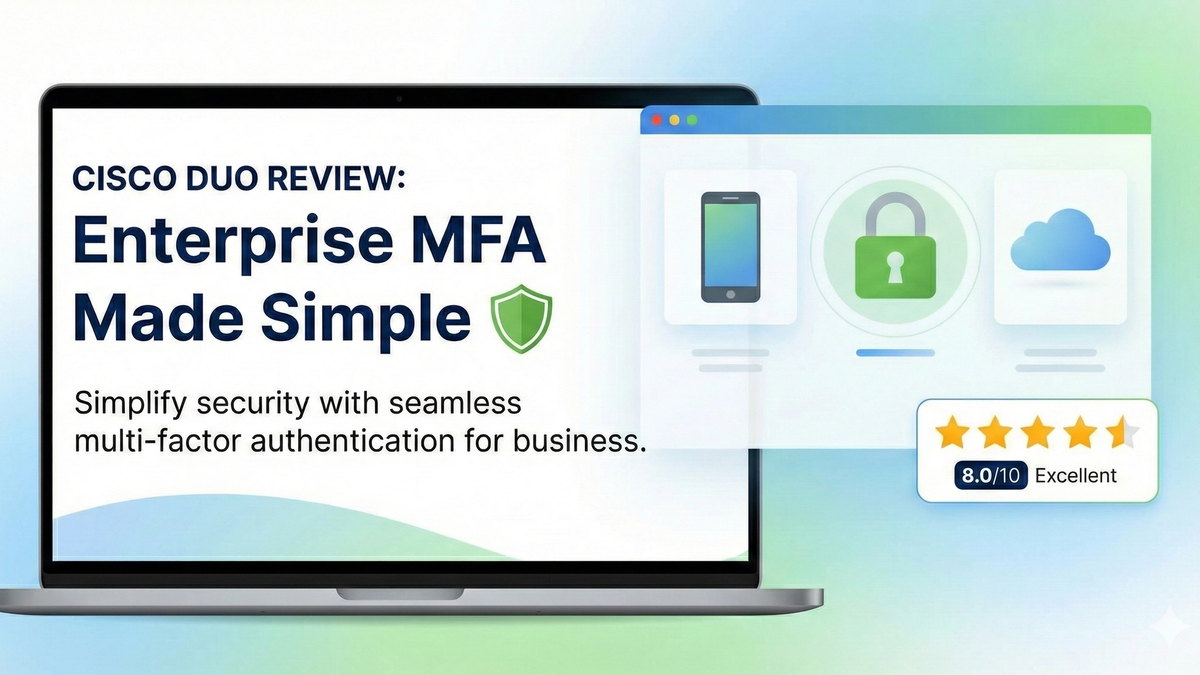
Cisco Duo Review: Enterprise MFA Made Simple
Cisco Duo delivers robust multi-factor authentication with one of the smoothest user experiences in the enterprise MFA space. While pricing can escalate quickly for larger teams, its device trust and adaptive policies make it a solid choice for security-conscious organizations.