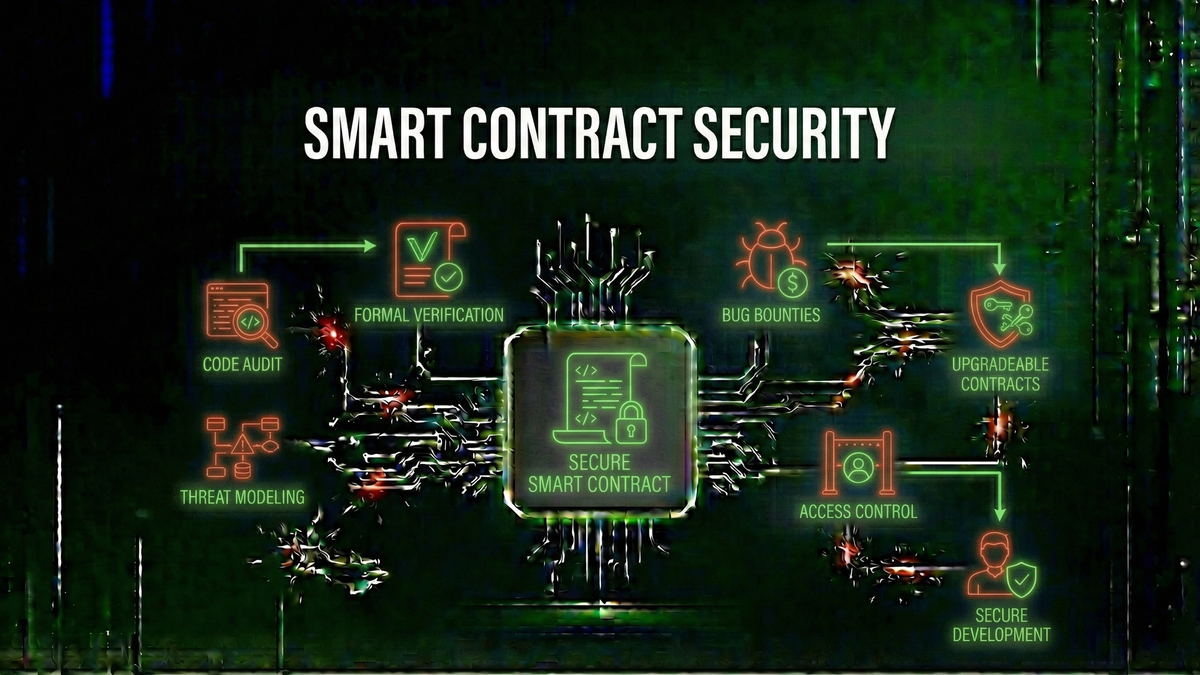
Smart Contract Security: Understanding Upgradeable Contracts and Their Risks
Explore how upgradeable smart contracts work, why they exist, and the security vulnerabilities they can introduce to blockchain protocols.
Smart contracts are often described as "immutable"—once deployed to a blockchain, their code cannot be changed. This immutability is a feature, not a bug: it ensures that the rules governing a protocol remain consistent. However, what happens when a smart contract contains a bug, or when the protocol needs new features? Enter upgradeable smart contracts—a design pattern that allows developers to modify contract logic after deployment.
While this flexibility is invaluable for fixing bugs and adding features, it introduces significant security risks. When upgrade permissions fall into the wrong hands, as happened in the $3.9 million Unleash Protocol hack, the consequences can be devastating. In this guide, you'll learn how upgradeable contracts work, the different patterns used to implement them, and the security measures that can protect against unauthorized upgrades.
Why Smart Contracts Need Upgrades
Common reasons protocols need upgrade capabilities include: bug fixes for security vulnerabilities, feature additions as protocols evolve, gas optimizations for lower transaction costs, regulatory compliance as laws change, and integration requirements for new partnerships.
How Upgradeable Contracts Work: The Proxy Pattern
The proxy pattern separates the contract into two components: The Proxy Contract (permanent address with state/data and funds, delegates calls) and The Implementation Contract (contains business logic, can be replaced). When the proxy receives a transaction, it uses "delegatecall" to execute the implementation's code while using the proxy's storage.
Common Proxy Patterns
Several standardized patterns exist: Transparent Proxy Pattern (TPP) handles admin vs user functions differently; UUPS moves upgrade logic to implementation for lower gas; Beacon Proxy efficiently upgrades many proxies at once; Diamond Pattern (EIP-2535) allows multiple implementation facets for modular upgrades.
Security Risks of Upgradeable Contracts
Key risks include: Unauthorized Upgrade Access (if attackers gain admin control), Storage Collision (new implementation must maintain storage layout), Initialization Vulnerabilities (initializers must be protected), Function Selector Clashes, and Implementation Self-Destruct attacks.
Security Best Practices
Well-designed protocols implement: Multisig Governance (4-of-7 or higher), Timelocks (24-72 hour delays), Emergency Pause Functionality, Audit Requirements for all new implementations, and On-Chain Monitoring for suspicious activity.
Evaluating Protocol Upgrade Security
Before using a DeFi protocol, ask: Is the contract upgradeable? Who controls upgrades? Is there a timelock? What proxy pattern is used? Are upgrades audited? Is there monitoring?
Key Takeaways
Upgradeable contracts use proxy patterns to separate storage from logic. Upgrade permissions are a critical attack surface. Security best practices include multisig governance, timelocks, audits, and monitoring. Evaluate a protocol's upgrade security before depositing funds. Some protocols trade upgradeability for immutability.
Keep Learning
Related Reviews
REOLINK 4K Security Camera System Review: Professional PoE Surveillance at DIY Prices
The REOLINK 4K PoE security system delivers 8MP clarity, smart person/vehicle detection, 24/7 recording with 4TB storage, and plug-and-play installation for comprehensive home surveillance.
Ring Outdoor Cam Pro Review: 4K Security Camera with Radar-Powered Motion Detection
The Ring Outdoor Cam Pro delivers Retinal 4K video, 10x enhanced zoom, Low-Light Sight for true color night vision, and radar-powered 3D motion detection for precise security alerts.
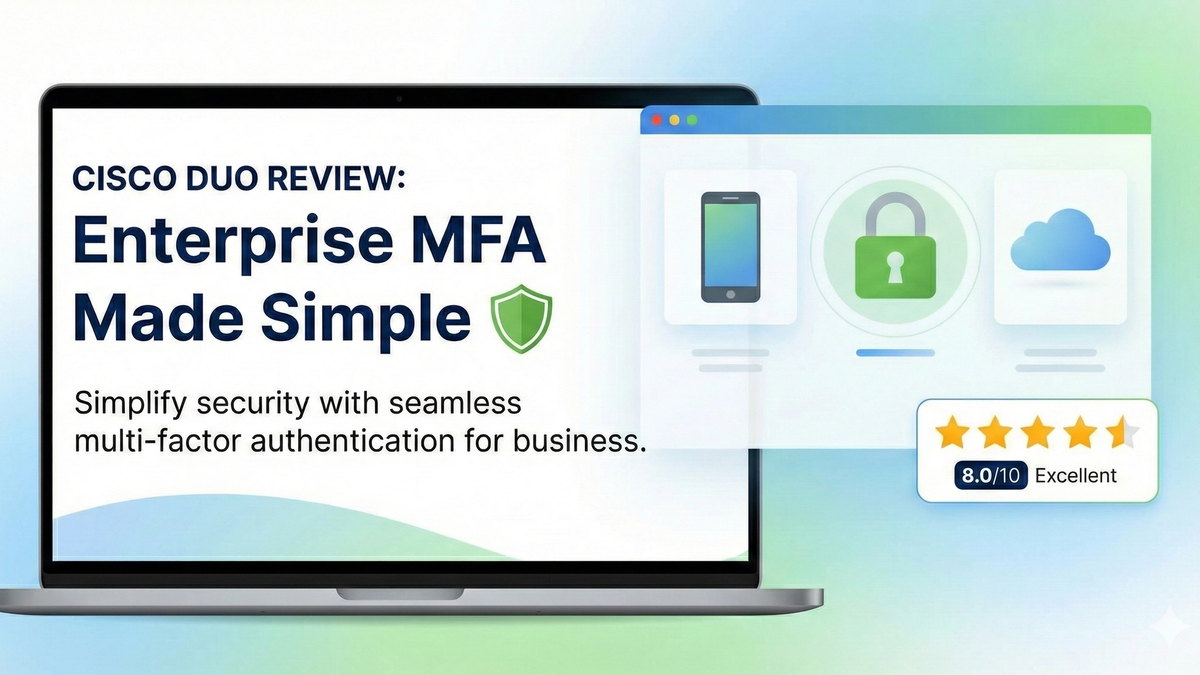
Cisco Duo Review: Enterprise MFA Made Simple
Cisco Duo delivers robust multi-factor authentication with one of the smoothest user experiences in the enterprise MFA space. While pricing can escalate quickly for larger teams, its device trust and adaptive policies make it a solid choice for security-conscious organizations.