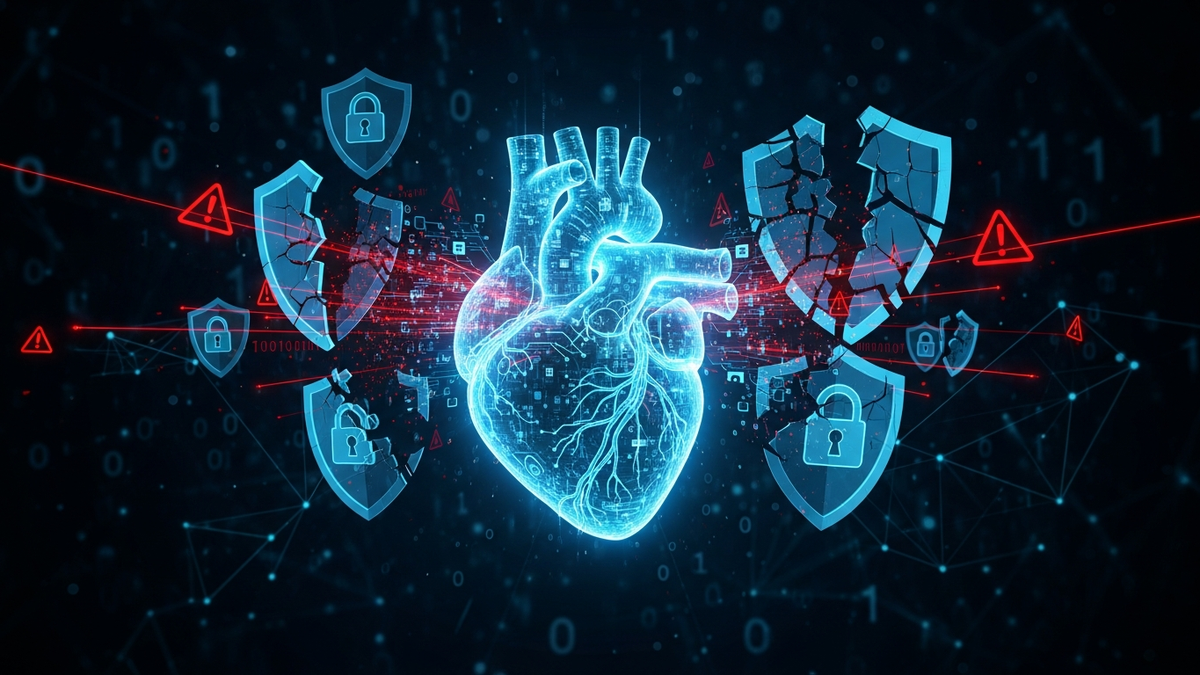
The Anatomy of Healthcare Data Breaches and Protected Information at Risk
Healthcare data breaches have become one of the most pressing security challenges of the digital age. Every day, millions of patient records containing deeply personal medical information travers...
Introduction
Healthcare data breaches have become one of the most pressing security challenges of the digital age. Every day, millions of patient records containing deeply personal medical information traverse networks, rest in databases, and pass through the hands of countless healthcare professionals. When these protections fail, the consequences extend far beyond simple privacy violations—they can impact patient safety, financial security, and the fundamental trust relationship between patients and their healthcare providers.
In 2023 alone, healthcare data breaches affected over 133 million individuals in the United States, with the average cost of a healthcare data breach reaching $10.93 million—nearly three times higher than breaches in other industries. These aren't just statistics; they represent real people whose medical histories, social security numbers, insurance information, and sometimes even genetic data have been exposed to unauthorized parties.
Understanding the anatomy of healthcare data breaches is essential for anyone working in healthcare IT, managing patient data, developing healthcare applications, or even for patients who want to better understand the risks to their own information. This comprehensive guide will dissect how these breaches occur, what information is at risk, and most importantly, how organizations and individuals can protect this most sensitive category of personal data.
The stakes have never been higher. Healthcare organizations are required by law to protect patient information under regulations like HIPAA (Health Insurance Portability and Accountability Act), and failure to do so results in severe penalties, reputation damage, and most critically, harm to patients. Let's examine the complex landscape of healthcare data security and learn how to navigate it safely.
Core Concepts
What Constitutes Protected Health Information (PHI)?
Protected Health Information, commonly referred to as PHI, encompasses any individually identifiable health information that is transmitted or maintained in any form or medium by a covered entity or its business associates. This definition is broader than many realize and includes:
**Demographic identifiers**: Names, addresses, dates (birth, admission, discharge, death), telephone numbers, fax numbers, email addresses, social security numbers, medical record numbers, health plan beneficiary numbers, account numbers, certificate/license numbers, vehicle identifiers, device identifiers, URLs, IP addresses, biometric identifiers (fingerprints, voiceprints), full-face photos, and any other unique identifying number or code.
**Clinical information**: Medical histories, diagnoses, treatment plans, prescription information, laboratory test results, radiology images, mental health records, immunization records, genetic information, and notes from healthcare providers.
**Financial information**: Insurance information, payment history, billing records, and claims data.
The key aspect that makes information "protected" is the ability to identify a specific individual. Even if a name is removed, other combinations of data elements can still identify someone, making that information PHI.
Types of Healthcare Data Breaches
Healthcare data breaches fall into several distinct categories, each with unique characteristics:
**Hacking/IT Incidents**: These involve unauthorized access to systems through technical means. This category has grown to represent the largest proportion of healthcare breaches, accounting for approximately 70% of reported incidents. Hackers may deploy ransomware, exploitExploit🛡️Code or technique that takes advantage of a vulnerability to cause unintended behavior, such as gaining unauthorized access. system vulnerabilities, use stolen credentials, or conduct sophisticated social engineeringSocial Engineering🛡️The psychological manipulation of people into performing actions or divulging confidential information, exploiting human trust rather than technical vulnerabilities. attacks.
**Unauthorized Access/Disclosure**: These occur when individuals within an organization access or share patient information without proper authorization. An employee looking up a celebrity's medical record out of curiosity or discussing patient information in public areas falls into this category.
**Theft**: Physical theft of devices (laptops, smartphones, tablets, hard drives, paper records) or digital theft through unauthorized system access. The portability of modern devices makes this a persistent threat.
**Loss**: Accidental loss of unencrypted devices, misdirected mail or email, or improper disposal of records.
**Improper Disposal**: Failing to properly destroy PHI before discarding equipment or documents, such as throwing away printed records without shredding or disposing of hard drives without proper data wiping.
The HIPAA Framework
HIPAA establishes the legal framework for protecting PHI in the United States. The regulation consists of several rules:
**Privacy Rule**: Establishes national standards for protecting medical records and other personal health information, giving patients rights over their health information and setting rules and limits on who can access and receive it.
**Security Rule**: Establishes national standards for protecting electronic PHI (ePHI), requiring appropriate administrative, physical, and technical safeguards.
**Breach Notification Rule**: Requires covered entities to notify affected individuals, the Department of Health and Human Services (HHS), and in some cases, the media, when a breach of unsecured PHI occurs.
**Enforcement Rule**: Contains provisions relating to compliance and investigations, the imposition of civil monetary penalties, and procedures for hearings.
How It Works
The Attack Lifecycle
Understanding how healthcare data breaches occur requires examining the typical attack lifecycle:
**Phase 1: Reconnaissance** Attackers begin by gathering information about their target. They identify systems, study the organization's digital footprint, research employees (often through social media), map network infrastructure, and identify potential vulnerabilities. For healthcare organizations, attackers look for outdated systems, legacy medical devices, and overworked IT departments.
**Phase 2: Initial Compromise** The attacker gains initial access through various means: phishingPhishing🛡️A social engineering attack using fake emails or websites to steal login credentials or personal info. emails targeting healthcare workers, exploiting unpatched vulnerabilities in software, using stolen credentials purchased on dark web markets, compromising third-party vendors with access to healthcare systems, or exploiting misconfigured cloud storage.
Healthcare environments present unique challenges that attackers exploit. Medical devices often run outdated operating systems that cannot be updated without breaking medical device certifications. The 24/7 nature of healthcare means security updates can be difficult to schedule. The culture prioritizes patient care access over security restrictions, creating pressure to bypass security measures.
**Phase 3: Privilege EscalationPrivilege Escalation🛡️An attack technique where an adversary gains elevated access rights beyond what was initially granted.** Once inside the network, attackers work to gain higher-level access. They move laterally through the network, compromise additional accounts (particularly administrator accounts), map data repositories, and identify valuable information.
**Phase 4: Data ExfiltrationData Exfiltration🛡️The unauthorized transfer of data from a computer or network, often performed by attackers before deploying ransomware to enable double extortion. or EncryptionEncryption🛡️The process of converting data into a coded format that can only be read with the correct decryption key.** In the final phase, attackers either steal data (often compressing and encrypting it to avoid detection during transfer) or deploy ransomware to encrypt files and demand payment. Some sophisticated attackers do both—encrypting data while also exfiltrating copies to demand payment for both decryption and non-disclosure.
Common VulnerabilityVulnerability🛡️A weakness in software, hardware, or processes that can be exploited by attackers to gain unauthorized access or cause harm. Points
Healthcare data breaches exploit specific weaknesses common in medical environments:
**Legacy Systems**: Many healthcare organizations operate medical equipment and systems that are 10-20 years old. An MRI machine, CT scanner, or patient monitoring system might run Windows XP or other unsupported operating systems. These cannot be easily updated without invalidating FDA certifications or breaking critical functionality.
**Network Segmentation Failures**: Ideally, medical devices, administrative systems, and public-facing services should be on separate network segments. However, many healthcare organizations have flat networks where a compromised guest WiFi can provide access to medical records systems.
**Third-Party Vendor Access**: Healthcare organizations work with dozens or hundreds of third parties—billing companies, medical transcription services, cloud storage providers, equipment maintenance vendors, and more. Each represents a potential entry point. Business Associate Agreements (BAAs) are required but don't eliminate risk.
**Insufficient Access Controls**: In emergency situations, healthcare providers need rapid access to patient information. This legitimate need sometimes results in overly permissive access controls where too many people have access to too much information.
**Human Factors**: Healthcare workers face enormous time pressure and may view security measures as obstacles to patient care. This creates vulnerability to social engineering, password reuse, and security workarounds.
**Mobile Devices and BYOD**: Physicians and nurses frequently access patient information from smartphones and tablets, including personal devices. These devices may lack proper encryption, use weak passwords, or have vulnerable apps installed.
The Role of Ransomware
Ransomware deserves special attention as it has become the predominant threat to healthcare organizations. Unlike breaches focused solely on data theft, ransomware attacks can directly disrupt patient care.
Modern ransomware attacks against healthcare organizations follow a "double extortion" model: attackers encrypt critical systems (EMRs, scheduling systems, lab systems, imaging) making them unavailable, while simultaneously exfiltrating copies of sensitive patient data. They then demand payment for both decryption keys and a promise not to publish or sell the stolen data.
The impact on healthcare delivery can be severe. Hospitals have been forced to divert ambulances, postpone surgeries, revert to paper records, and manually operate medical equipment. In several documented cases, patient outcomes have been negatively affected by ransomware attacks.
Real-World Examples
Anthem Inc. (2015)
One of the largest healthcare breaches in history, the Anthem breach compromised information of approximately 78.8 million people. Attackers gained access through a phishing email that appeared to come from a legitimate source. Once inside, they used legitimate credentials to navigate the network, remaining undetected for weeks while exfiltrating names, birthdays, medical IDs, social security numbers, street addresses, email addresses, and employment information.
**Key Lessons**: The breach highlighted the importance of employee security training to recognize phishing
Related Reviews
REOLINK 4K Security Camera System Review: Professional PoE Surveillance at DIY Prices
The REOLINK 4K PoE security system delivers 8MP clarity, smart person/vehicle detection, 24/7 recording with 4TB storage, and plug-and-play installation for comprehensive home surveillance.
Ring Outdoor Cam Pro Review: 4K Security Camera with Radar-Powered Motion Detection
The Ring Outdoor Cam Pro delivers Retinal 4K video, 10x enhanced zoom, Low-Light Sight for true color night vision, and radar-powered 3D motion detection for precise security alerts.
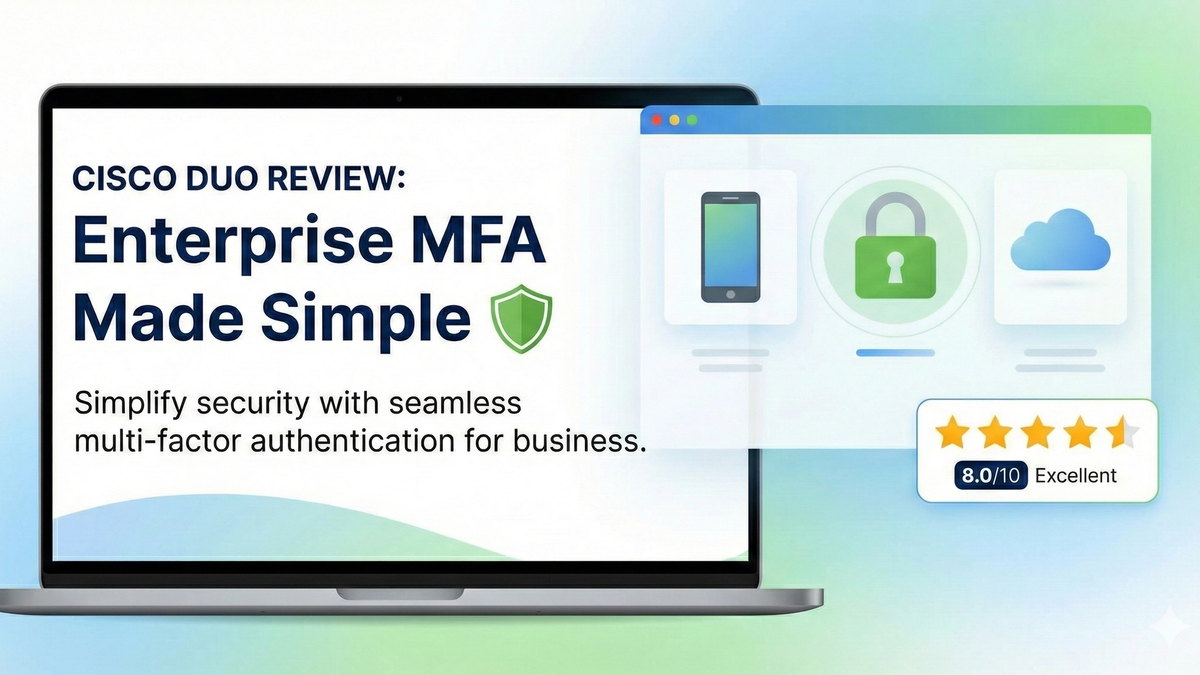
Cisco Duo Review: Enterprise MFA Made Simple
Cisco Duo delivers robust multi-factor authentication with one of the smoothest user experiences in the enterprise MFA space. While pricing can escalate quickly for larger teams, its device trust and adaptive policies make it a solid choice for security-conscious organizations.