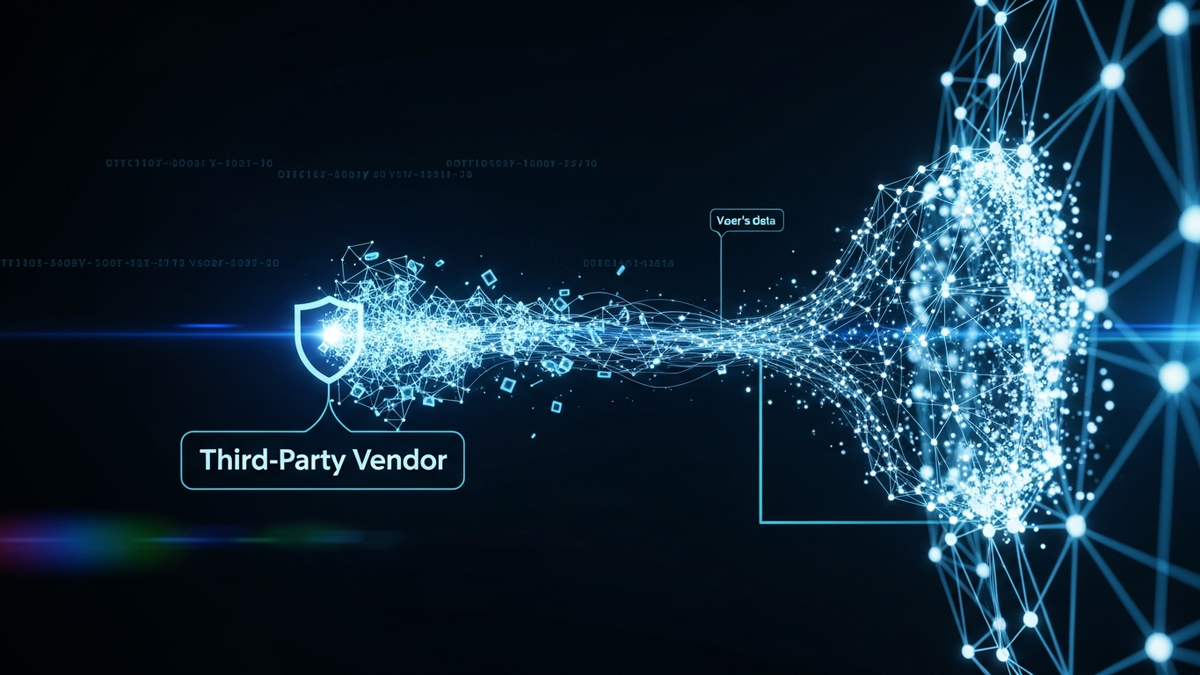
What Is a Third-Party Vendor Breach and How Does It Affect You
Imagine waking up to discover that your personal information—credit card numbers, Social Security details, or medical records—has been compromised. But here's the twist: the breach didn't happen ...
Introduction
Imagine waking up to discover that your personal information—credit card numbers, Social Security details, or medical records—has been compromised. But here's the twist: the breach didn't happen at the company you directly do business with. Instead, a company you've never heard of, one that provides services behind the scenes, was hacked, and your data was caught in the crossfire.
This scenario represents a third-party vendor breach, one of the most significant and growing cybersecurity threats in today's interconnected digital economy. Unlike direct breaches where hackers target a company's own systems, third-party vendor breaches exploitExploit🛡️Code or technique that takes advantage of a vulnerability to cause unintended behavior, such as gaining unauthorized access. the weakest links in an organization's supply chain—the external partners, contractors, and service providers that have access to sensitive systems and data.
According to recent studies, third-party breaches now account for over 60% of data breaches, with the average cost of a data breach reaching $4.45 million in 2023. The complexity of modern business relationships means that when you entrust your data to one company, it might actually pass through the hands of dozens of vendors you've never consented to or even know exist.
In this comprehensive guide, we'll explore what third-party vendor breaches are, how they occur, examine notable real-world cases, and most importantly, provide you with actionable strategies to protect yourself and your organization from these increasingly common cyber threats.
Core Concepts
What Is a Third-Party Vendor?
A third-party vendor is any external entity that provides products, services, or support to a business. These vendors can range from cloud storage providers and payment processors to HVAC contractors and marketing agencies. In the digital age, third-party vendors often require some level of access to a company's networks, systems, or customer data to perform their functions effectively.
Common types of third-party vendors include:
**Technology Service Providers**: Cloud hosting companies (AWS, Microsoft Azure), SaaS platforms, IT support services, and software development firms.
**Business Process Outsourcers**: Payroll processors, customer service centers, data analytics firms, and marketing agencies.
**Professional Services**: Legal firms, accounting companies, consultants, and auditors.
**Supply Chain Partners**: Manufacturers, distributors, logistics companies, and raw material suppliers.
**Facility Services**: Building maintenance, security services, and HVAC contractors.
What Constitutes a Third-Party Vendor Breach?
A third-party vendor breach occurs when cybercriminals gain unauthorized access to an organization's systems, networks, or data through a vulnerabilityVulnerability🛡️A weakness in software, hardware, or processes that can be exploited by attackers to gain unauthorized access or cause harm. in a vendor's security infrastructure. These breaches exploit the trust relationship between the primary organization and its vendors.
The breach typically follows this pattern:
Why Are Third-Party Vendors Attractive Targets?
Third-party vendors present an appealing attack vector for several reasons:
**Weaker Security Posture**: Smaller vendors often lack the robust security infrastructure of larger organizations, making them easier targets.
**Trusted Access**: Vendors typically have privileged access to client systems, bypassing many security controls that would stop external attackers.
**Multiple Victims**: A single vendor breach can compromise dozens or even hundreds of client organizations simultaneously.
**Supply Chain Complexity**: The interconnected nature of modern business relationships creates numerous potential entry points that are difficult to monitor and secure.
**Limited Visibility**: Organizations often have incomplete knowledge of their vendors' security practices and who those vendors work with (fourth-party risks).
How It Works
The Anatomy of a Third-Party Breach
Understanding how these breaches unfold is essential for prevention. Here's a detailed breakdown of a typical third-party vendor breach:
**Phase 1: Reconnaissance**
Attackers research their target organization and identify its third-party vendors through:
**Phase 2: Initial Compromise**
Once a vulnerable vendor is identified, attackers gain entry through:
**Phase 3: Lateral MovementLateral Movement🛡️Techniques attackers use to move through a network after initial compromise, seeking additional systems to control and data to steal.**
After compromising the vendor, attackers:
**Phase 4: Target Infiltration**
Using the vendor's trusted access, attackers:
**Phase 5: Objective Execution**
The attackers complete their mission by:
Common Attack Vectors
**Software Supply Chain Attacks**: Malicious code is injected into software updates or plugins that are distributed to multiple organizations. When companies install what they believe is a legitimate update, they unknowingly install malware.
**Credential Theft**: Attackers steal login credentials from vendors that have remote access to client systems, then use those credentials to log in as if they were legitimate vendor employees.
**API Exploitation**: Many modern integrations rely on APIs (Application Programming Interfaces). Poorly secured APIs can allow attackers to extract data or manipulate systems.
**Compromised Software Dependencies**: Open-source libraries and code dependencies can contain vulnerabilities or malicious code that affects all applications using them.
**Physical Access Exploitation**: Even non-technical vendors like maintenance contractors can pose risks if they're granted physical access to facilities containing sensitive systems.
Real-World Examples
Examining actual third-party breaches provides valuable lessons about vulnerabilities and their consequences.
Target Data Breach (2013)
Perhaps the most infamous third-party breach affected Target, the retail giant. In this case, hackers gained access to Target's network through credentials stolen from Fazio Mechanical Services, an HVAC contractor.
**What Happened**: Attackers sent phishing emails to Fazio employees, stealing network credentials. Using these credentials, they accessed Target's vendor portal, then moved laterally into Target's payment systems, ultimately compromising 40 million credit card numbers and 70 million customer records.
**Impact**: The breach cost Target over $200 million in settlements, damaged customer trust, and led to the resignation of the CEO and CIO.
**Key Lesson**: Even vendors without direct access to sensitive data can serve as entry points. Target had network segmentation issues that allowed movement from vendor systems to payment systems.
SolarWinds Supply Chain AttackSupply Chain Attack📖A cyberattack that targets an organization by compromising a third-party vendor, supplier, or partner that has access to the target's systems or data. (2020)
The SolarWinds breach represented one of the most sophisticated supply chain attacks in history, affecting thousands of organizations including government agencies and Fortune 500 companies.
**What Happened**: Russian-linked hackers compromised SolarWinds' software development environment and injected malicious code into updates for their Orion network management software. When approximately 18,000 customers installed the update, they inadvertently installed a backdoor the attackers named "SUNBURST."
**Impact**: The breach went undetected for months, compromising sensitive data from numerous government agencies, cybersecurity firms, and major corporations. The full extent and cost continue to unfold years later.
**Key Lesson**: Even trusted software from legitimate vendors can be weaponized. Organizations need to verify software integrity and monitor for suspicious behavior even from authorized applications.
MOVEit Transfer Vulnerability (2023)
A vulnerability in Progress Software's MOVEit Transfer application affected over 2,000 organizations and compromised data belonging to more than 60 million individuals.
**What Happened**: The Cl0p ransomware gang discovered and exploited a zero-dayZero-Day🛡️A security vulnerability that is exploited or publicly disclosed before the software vendor can release a patchPatch🛡️A software update that fixes security vulnerabilities, bugs, or adds improvements to an existing program., giving developers 'zero days' to fix it. vulnerability in MOVEit, a file transfer application used by organizations to securely exchange data with partners. Organizations using MOVEit to share files with third parties found their data exfiltrated.
**Impact**: Affected organizations included major payroll processors, healthcare providers, financial institutions, and government entities. The breach resulted in the exposure of employee records, customer data, and financial information.
**Key Lesson**: Widely-used enterprise software creates a single point of failure affecting multiple organizations. Rapid patching and monitoring of third-party applications is critical.
British Airways (2018)
British Airways suffered a breach through compromised JavaScript on their website, likely injected through a third-party vendor or compromised web asset.
**What Happened**: Attackers injected malicious code into the British Airways website and mobile app that harvested payment card
Related Reviews
REOLINK 4K Security Camera System Review: Professional PoE Surveillance at DIY Prices
The REOLINK 4K PoE security system delivers 8MP clarity, smart person/vehicle detection, 24/7 recording with 4TB storage, and plug-and-play installation for comprehensive home surveillance.
Ring Outdoor Cam Pro Review: 4K Security Camera with Radar-Powered Motion Detection
The Ring Outdoor Cam Pro delivers Retinal 4K video, 10x enhanced zoom, Low-Light Sight for true color night vision, and radar-powered 3D motion detection for precise security alerts.
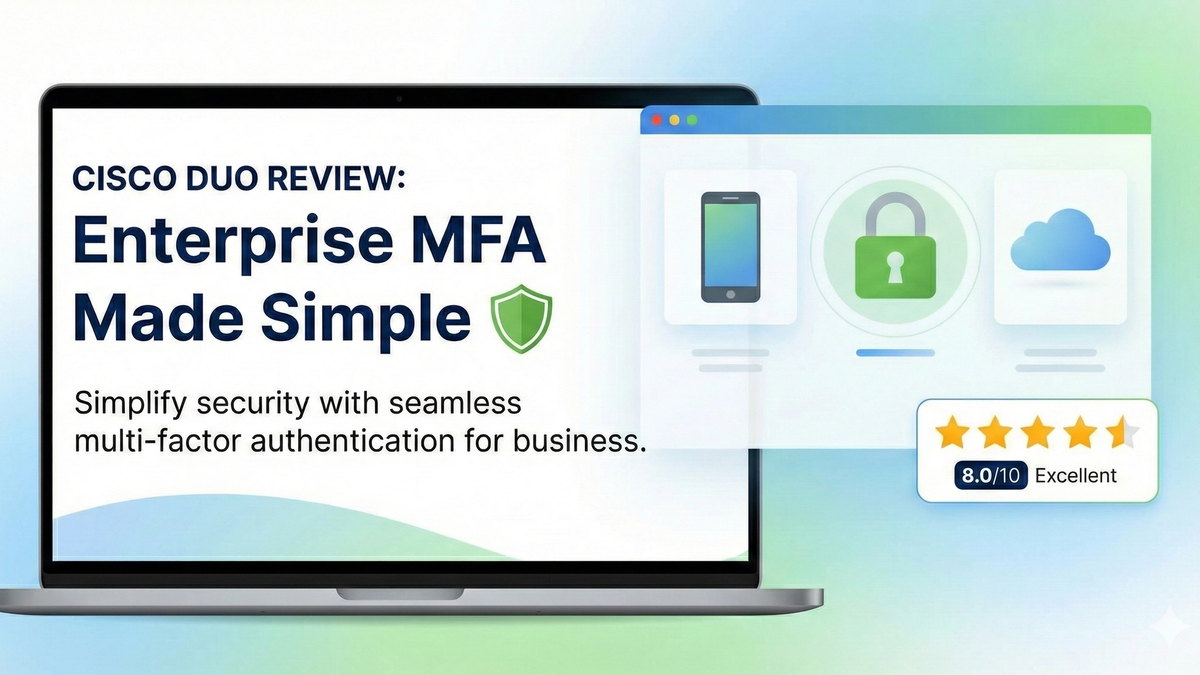
Cisco Duo Review: Enterprise MFA Made Simple
Cisco Duo delivers robust multi-factor authentication with one of the smoothest user experiences in the enterprise MFA space. While pricing can escalate quickly for larger teams, its device trust and adaptive policies make it a solid choice for security-conscious organizations.